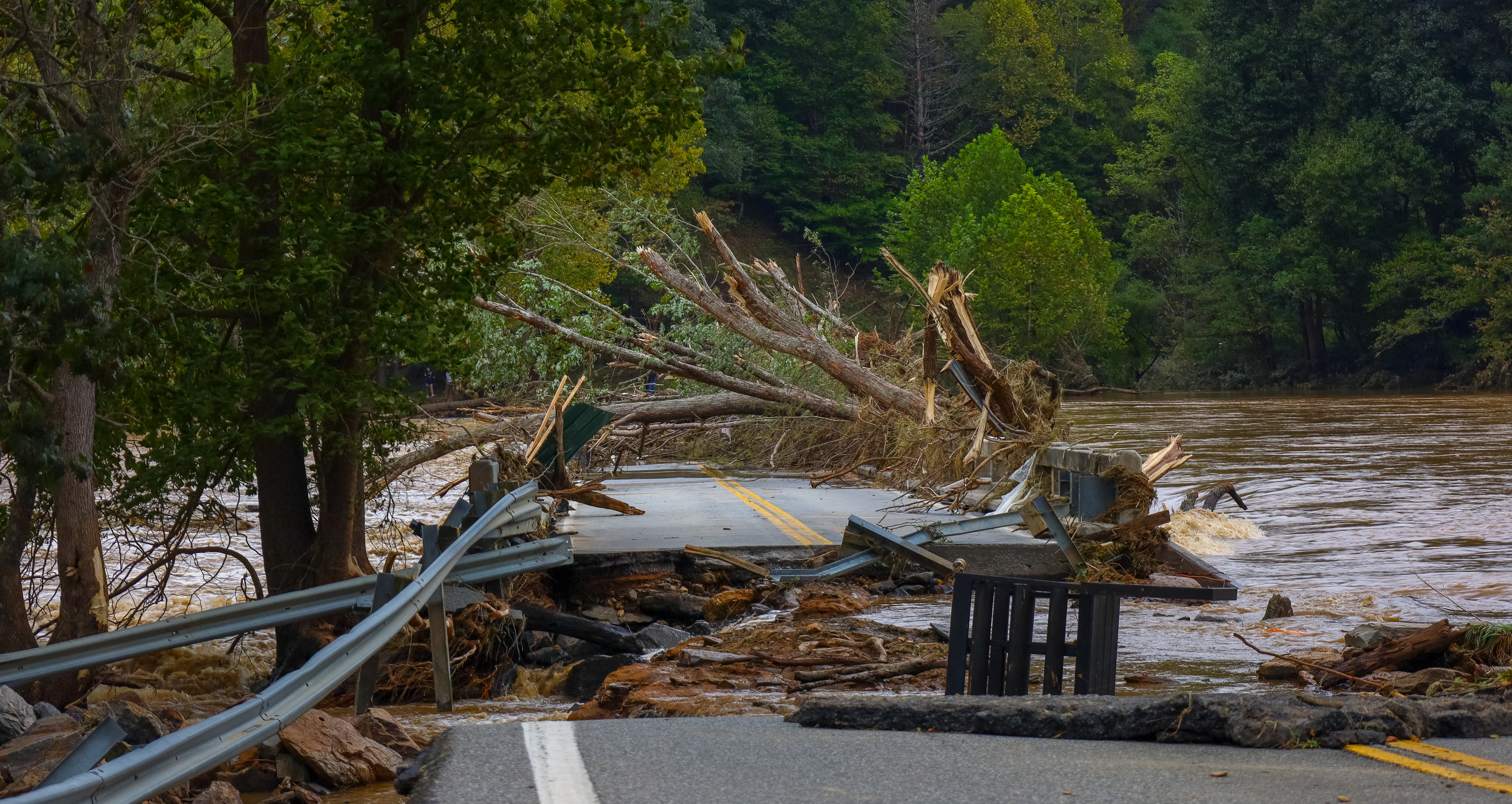
Following Hurricane Helene, North Carolina Emergency Management (NCEM) recognized that the increasing complexity of disasters required more than a standard After-Action Review (AAR). NCEM partnered with McChrystal Group to launch a broader transformation effort, turning lessons from Hurricane Helene into sustained emergency readiness.
THE CHALLENGE
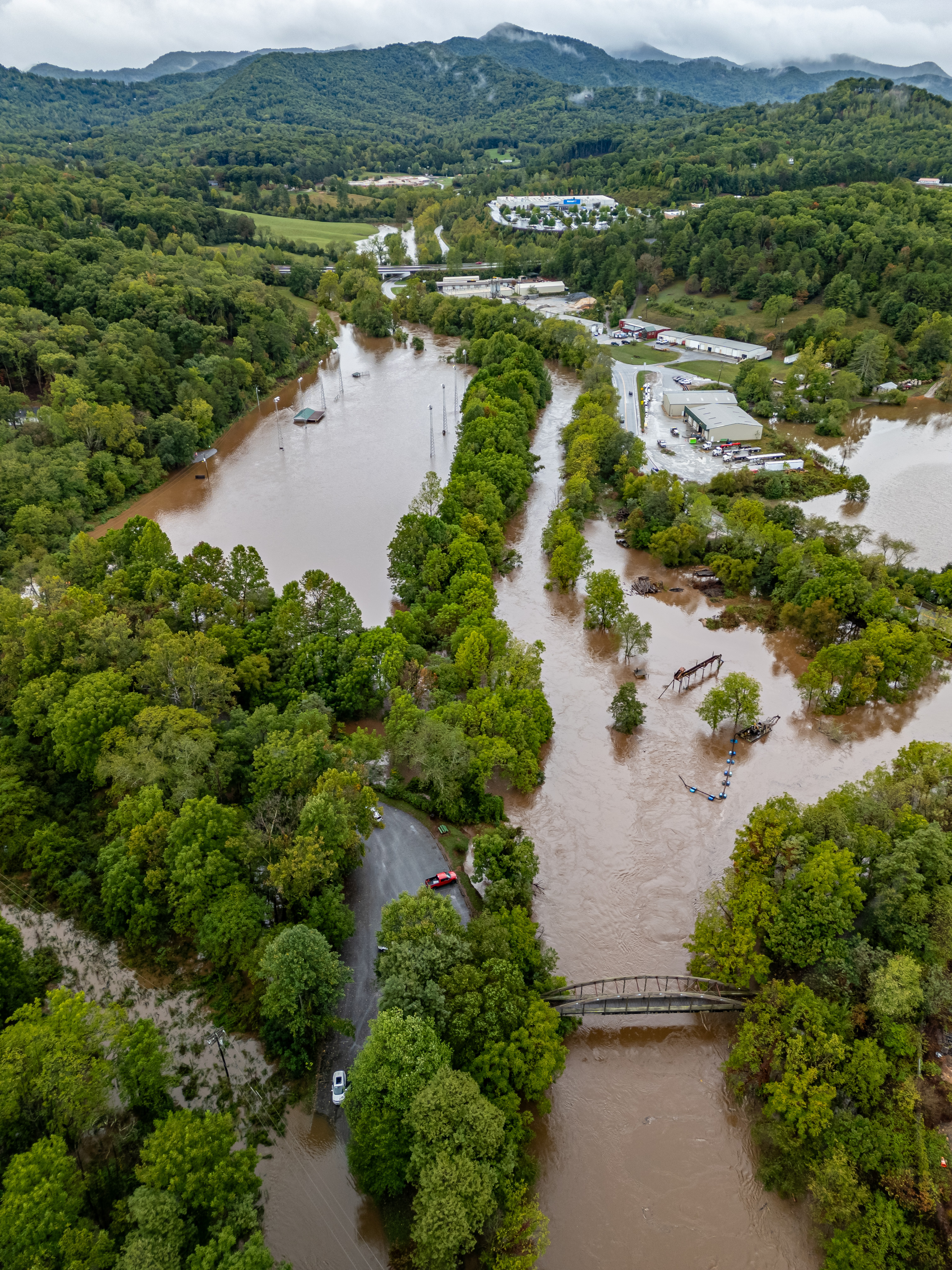 NCEM leads statewide preparedness, response, recovery, and mitigation across a complex network of state agencies, regional offices, counties, and response partners. In September 2024, Hurricane Helene became one of the most destructive storms in the state’s history, highlighting how profoundly the emergency management landscape had evolved. Increasingly complex hazards, growing interdependencies across agencies, and the speed of information require emergency management organizations to continually test how their people, processes, and systems perform under pressure.
In the aftermath of Hurricane Helene, NCEM recognized that success in future disasters would require more than incremental fixes, it demanded organizational evolution. What began as a traditional AAR became a comprehensive transformation effort, aligning leadership, modernizing critical processes, and embedding new operating habits. The result: faster decisions, clearer ownership, and a more resilient emergency management organization prepared for increasingly complex crises.
APPROACH
Rather than simply cataloging challenges, our AAR provided an independent, data-driven examination of why those challenges occurred and the systemic issues they revealed. McChrystal Group collected insights through interviews, surveys, and workshops with local responders, regional personnel, state agencies, and partner organizations. This process recognized many strengths of the state, such as rapid local alerting and strong search-and-rescue performance, but also revealed vulnerabilities such as:
1. Slow coordination due to split communication & unclear roles:
- Our analysis revealed overlapping authorities, inconsistent operating rhythms, limited visibility into how priorities were set and executed, fragmented communication channels, and uncertainty about roles across headquarters, regions, counties, and partner organizations. Survey findings showed that 70% of respondents identified colleagues within their own function as their most trusted information source, underscoring the opportunity to strengthen cross-functional communication and trust.
2. Resource request process couldn't keep pace with need:
- Resource requests moved across counties, regional offices, the State Emergency Operations Center, logistics, purchasing, finance, and external partners. Stakeholders described inconsistent ownership and status visibility, fragmented systems, uneven training, manual data entry, and duplicated effort. These bottlenecks put mission-critical, life-safety needs of North Carolinians at risk.
3. Sustaining improvement required new leadership habits:
- Our survey assessment identified low trust scores, inconsistent accountability mechanisms, and uncertainty around prioritization and change management. NCEM needed practical leadership development that would help personnel reinforce alignment, empower teams, navigate change, and translate structural improvements into repeatable operating habits.
Turning Recommendations Into Action
To understand the extent and distribution of the issues identified by the AAR, McChrystal Group conducted a comprehensive organizational diagnostic across NCEM personnel, partners in the State Emergency Response Team (SERT), and country emergency management offices. The findings from this diagnostic echoed the AAR's findings but added greater clarity: overlapping authorities, fragmented communication channels, limited visibility into prioritization, and inconsistent accountability mechanisms.
1. Pivoting from diagnostic to delivery
Armed with the insights from both the AAR and the organizational diagnostic, NCEM was ready to pivot from analyzing the situation to changing it. To prepare for this pivot and jump-start NCEM staff into action, the McChrystal Group team designed and delivered two focused workshops:
- Senior Leader Alignment Workshop: A two-day session clarified roles, strengthened trust, and established a unified operating rhythm for NCEM's senior leadership. The workshop created a shared understanding of decision pathways and improved cross-sectional communication.
- Regional Partners Workshop: A dedicated forum to address long-standing disconnects between the Emergency Operations Center and Regional Coordination Centers. The workshop clarified the resource request process, reduced bottlenecks, and improved statewide coordination.
Together, these actions bridged the gap between reflection and action by ensuring that NCEM was aligned around the need for change, understood the direction the organization was taking, and had the foundation of trust in place.
2. Comprehensive process-mapping
Through interviews with more than 30 key stakeholders, the team documented the step-by-step process, roles involved, and technologies used across planning, field operations, logistics, procurement, and finance.
Analysis of interviews, artifacts, process observations, and system reviews revealed the root causes behind delays, rework, technology limitations, and gaps in coordination. McChrystal Group collaborated with process owners to validate findings and co-develop potential solutions spanning:
- Technology enhancements
- Clarified roles and decision pathways
- Cultural and communication improvements
- Streamlined governance
- More collaborative training
At the end of this process-mapping exercise, McChrystal Group created 25 detailed process maps and 18 recommendations, categorized into:
- Near-term "just-do-it" actions with high payoff and low effort
- Near-term optimization opportunities requiring moderate investment
- Long-term transformational solutions demanding structural and technological shifts.
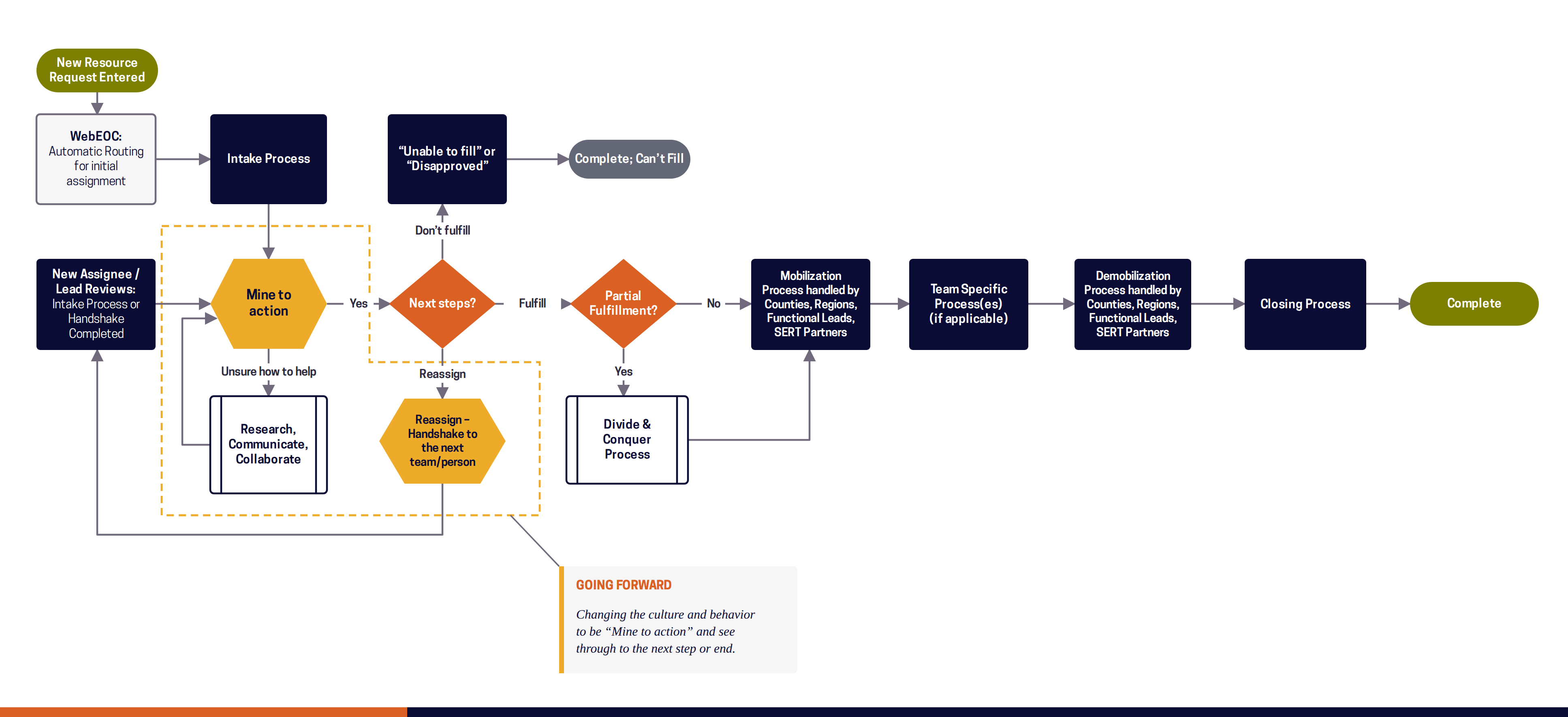
The roadmap provided leaders with a clear, phased plan to modernize the resource request system and improve responsiveness during future activations.
3. Reinforcing leader behaviors
Insights from the AAR and diagnostic survey highlighted gaps in trust, communication, prioritization, and accountability. To close these gaps, McChrystal Group designed a Mid-Level Leadership Development Program, involving representatives from every section and region.
The course blended practical leadership lessons with peer learning and hands-on exercises focused on:
- Leading through change
- Building psychological safety
- Empowering distributed decision-making
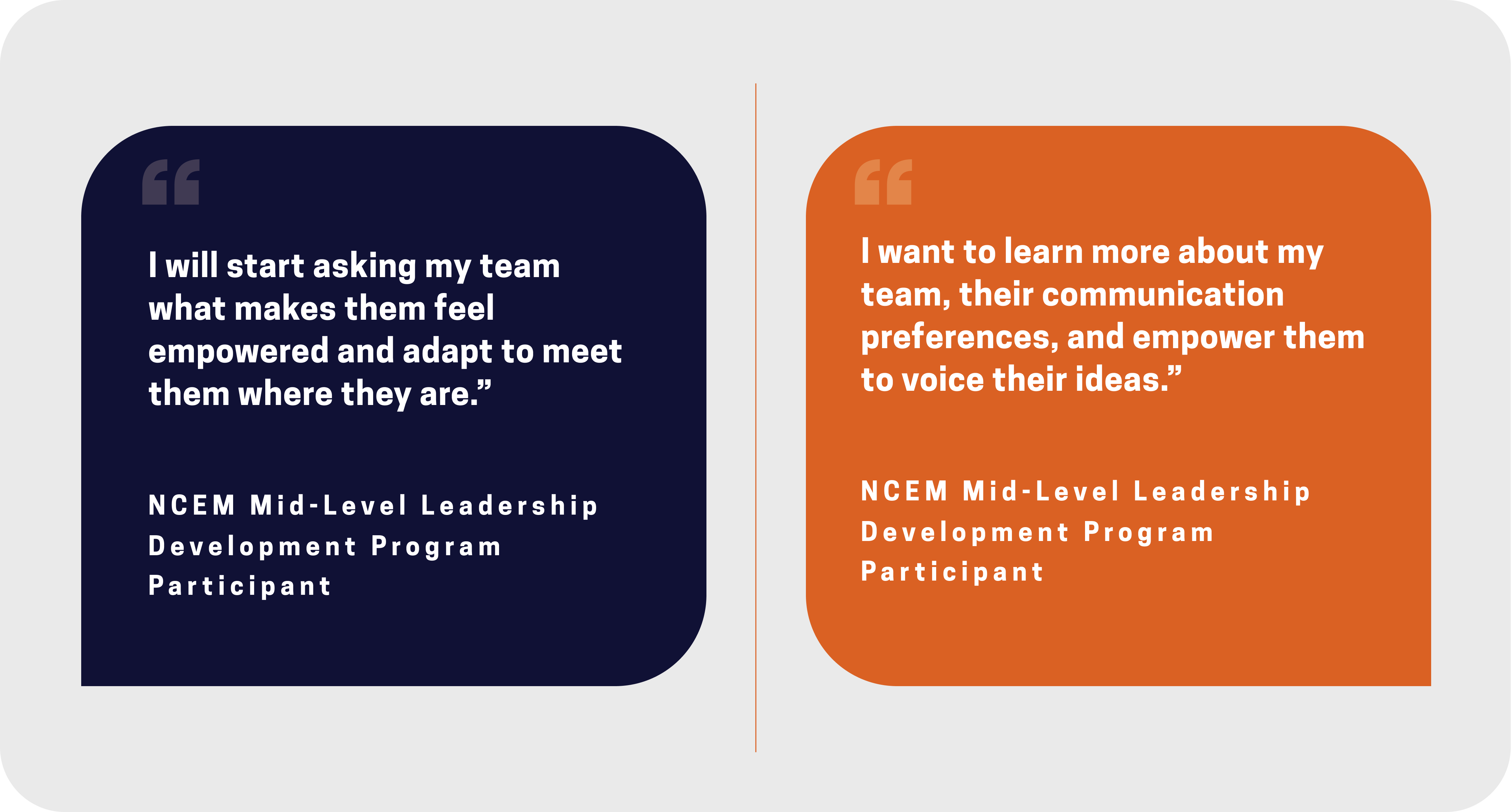
The leadership development program helped translate organizational insights into durable leadership habits.
IMPACT
.jpeg?sfvrsn=ac372ac_1 "AdobeStock_1078980771 (1)")
Instead of allowing the Hurricane Helene AAR to remain a retrospective document, NCEM operationalized its insights, created measurable accountability, strengthened communication and coordination, and invested in developing leaders at every level. The resulting shift has been both cultural and operational: faster decisions, clearer ownership, stronger partnerships, and a more unified approach to mission execution.
Leaders gained a clearer foundation for coordinated action
Senior leaders now operate with clearly defined authorities, improved cross-section collaboration, and a consistent cadence for decision-making, establishing a stronger foundation for consistent communication and organizational alignment.
NCEM received a practical roadmap for improving resource coordination
By organizing recommendations according to benefit, effort, and implementation horizon, the roadmap helped leaders distinguish immediate actions from more significant optimization and transformation opportunities, simplifying how requests flow across the agency and fast-moving support to counties during emergencies.
Leadership development produced strong engagement and practical takeaways
Our Mid-Level Leadership Development Program saw unprecedented engagement with a 98.4% approval rating. Participants praised the facilitators, the interactive exercises, and the trust built among peers, and left with practical tools they could put to work immediately. The program prepared mid-level managers, the connective tissue of the agency, to lead with clarity and sustain change well beyond the engagement.