




Skip Navigation

Emergency Management

Supporting Teams Under Pressure.

When disruption hits, how your teams work together determines what happens next.


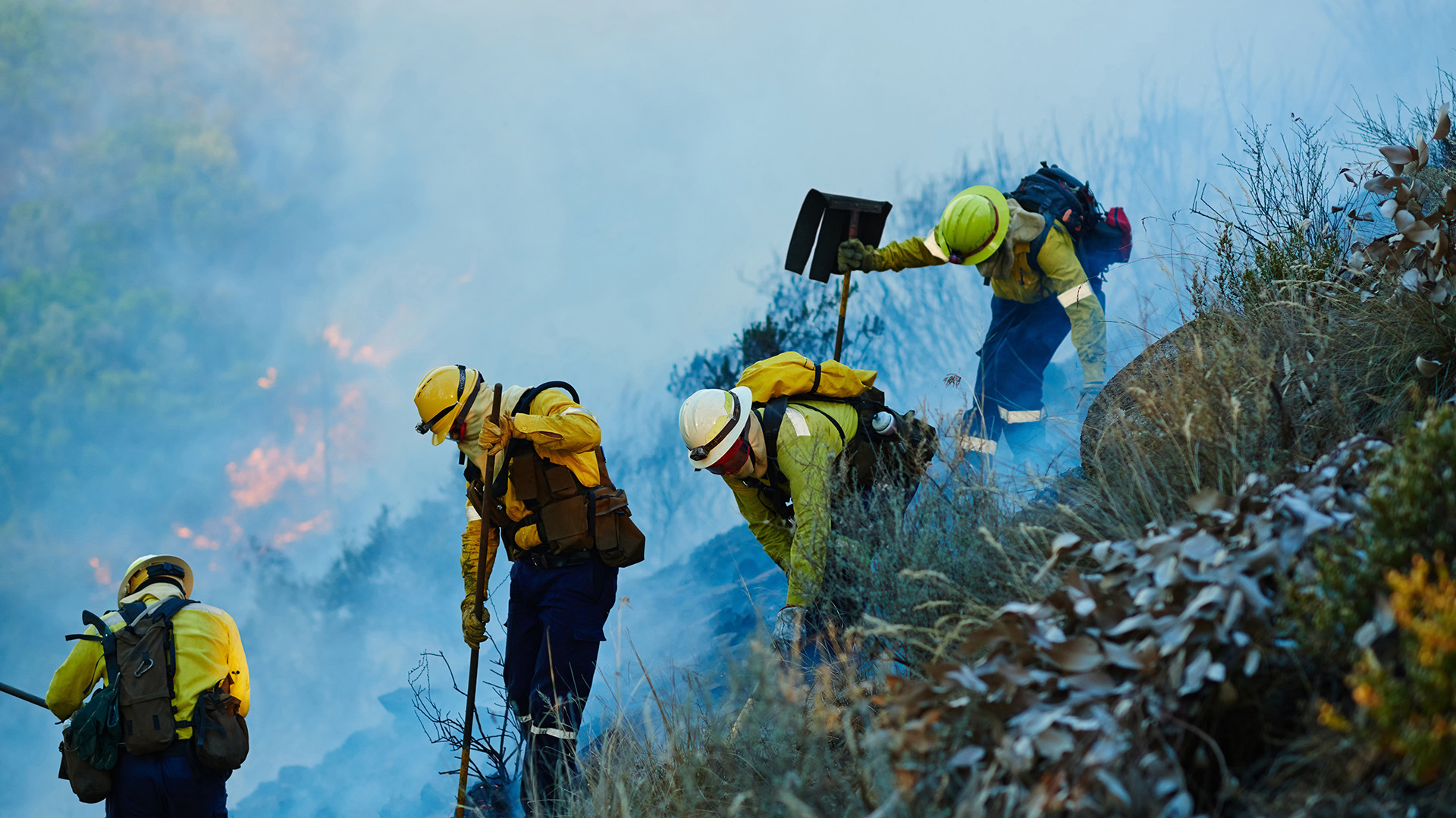
emergency-response-fire-rescue-on-mountain

Today leaders in Emergency Management face:

  • Complex, enduring crises that require longer, non-traditional partnerships
  • Frequent activations and the blurring of blue sky and gray sky days
  • An understaffed, underfunded multi-generational labor force
  • Technological disruptions to traditional industry processes
  • An ever-growing list of priorities 

        What We Do

We partner with organizations across the full emergency management lifecycle.

Icon of Person Standing in Circle

Bridge the Gap

Most organizations have invested in emergency plans, continuity frameworks, and response protocols. But during a grey sky event, challenges emerge in the transition from planning to execution. Our work focuses on that transition. We help teams operationalize their plans so they can be applied effectively under pressure.

Icon of Fist Reaching Up Towards Star

Strengthen Response

Emergency management requires more than coordination. It requires teams that can quickly build a shared understanding of the situation and act on it. Better equip your teams to manage both the immediate response and the downstream effects of an incident.

Icon of Bar Graphic with Circle Moving to Star

Practical, Experience-Based Approach

Our approach combines analysis with practical application. We assess how your organization currently communicates, makes decisions, and coordinates during disruption. This includes reviewing emergency protocols, observing exercises, and analyzing real-world performance where applicable.


emergency-phone-call-center

Emergency Management Solutions

After Action Reviews

Capturing lessons learned and translating them into meaningful changes in plans and performance.

A response does not end when the incident is resolved. The period immediately following an event is one of the most valuable opportunities to improve future performance.

We help organizations conduct structured after-action reviews that go beyond surface-level observations. Instead of focusing only on what happened, we examine how teams operated throughout the response.


Organization Transformation

Helping emergency management organizations understand how they operate today and make the changes required to perform more effectively tomorrow.

Effective emergency management depends on more than plans, protocols, or individual expertise. It depends on how the organization is structured, how information moves, how decisions are made, and how teams coordinate across functions, jurisdictions, and partners.

We help emergency management organizations diagnose what is enabling or limiting performance, then support the transformational change required to improve readiness, response, and resilience over time.

How can an AAR improve Shared Consciousness?
  • Create actionable accountability—capturing what worked, what failed, and what must change so organizations can adapt faster in complex, high-stakes environments. 
  • AARs help organizations move beyond hindsight and build a culture of shared consciousness—where teams learn faster, align quicker, and execute with greater agility. 
  • Organizations that institutionalize learning outperform those that merely document it. AARs embed continuous improvement into the operating rhythm of the business, helping leaders make smarter decisions with greater speed and clarity. 

Most organizations experience failure, yet few systematically learn from it; AARs turn hard lessons into a repeatable competitive advantage.

How Can Organizational Transformation Improve Emergency Management Performance? 
  • Create a clearer, more coordinated operating model so emergency management organizations can move faster, align priorities, and respond more effectively in complex environments.
  • Move beyond isolated improvements and address the deeper conditions that shape performance, including structure, leadership alignment, decision rights, communication flows, and operating rhythms.
  • When emergency management organizations understand how they actually work, they can identify where friction exists, where coordination breaks down, and where teams need clearer support to act with confidence.

Custom Leadership Programs

Make your leaders stronger than the barriers to team performance. 

Teams struggle to perform when execution gets tough. Our training methods—forged and tested in the toughest settings—will prepare your leaders to motivate teams to the finish line.  

Why have McChrystal Group help develop your team leaders?
  • Take advantage of the only programs built on proven Team of Teams® frameworks. 
  • Zero canned content—everything is designed around your strategy and challenges.
  • Your leaders emerge with measurable action plans and the skills to implement them.

Your teams’ impact on organizational performance depends on the capability of your leadership. Let us help prepare your leaders to unleash your teams' potential.  

Team Offsites & Workshops

Unite your teams so they are unstoppable.

Divisions within and between teams will kill organizational initiatives before they start. Our Team Offsites & Workshops bridge those gaps so your people can tackle org-wide goals as one.

WHY CHOOSE OUR TEAM OFFSITES & WORKSHOPS?
  • Resolve internal tensions that prevent team unity through expert facilitation.
  • Increase ROI through science-backed agendas that help improvements stick.
  • Surface and fix gaps in your teams' strategies before they sabotage transformation.

The results your organization needs won't come easy. It will need all of its teams fully engaged and pulling in the same direction. Let us help you make sure they are ready.

Team Simulations

Make sure your teams can deliver when it counts.

When the pressure is on, problems that frustrate team collaboration can make for nasty surprises. Team Simulations surface and fix collaboration problems before stakes get higher.  

Why conduct a McChrystal Group Team Simulation?
  • Remove hidden barriers that will keep your teams from achieving objectives.
  • Increase your teams' confidence and build internal trust through realistic experiences.
  • Effective virtually or in-person for teams of 10 to 300.

Your teams want to deliver when it counts just as much as you do. Let us help you make sure they can.